Complaints Procedure for Dulwich House Clearance
Introduction
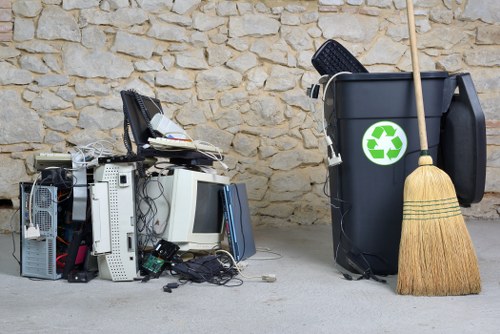 This document sets out the Complaints Procedure for Dulwich House Clearance and related rubbish and waste removal services. It explains how concerns about our house clearance and waste management operations are handled, recorded and resolved. The procedure applies to any customer, resident or stakeholder who believes a service has fallen short of expected standards, including collections, bulky waste removal, clearance of domestic properties and related clearance activities. Our approach is transparent, impartial and designed to restore confidence while ensuring improvements in service delivery.
We aim to resolve most issues quickly and professionally. Complaints will be acknowledged promptly and treated with respect and discretion. The policy recognises different stages of escalation and describes timescales for investigation and response. We may involve relevant team members, subcontractors or waste partners to clarify circumstances and identify remedial steps. This ensures a robust record is kept of actions taken and remedies offered.
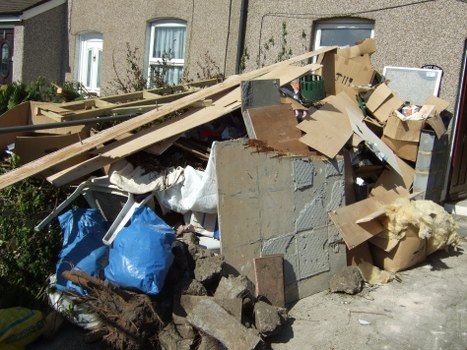 Complaints can relate to service failures such as missed collections, damage during clearance, unexpected charges, scheduling errors, or conduct by operatives. All complaints are assessed on their merits; severity and impact determine priority. Where health and safety or environmental risks are identified, these will be prioritised for immediate action and mitigation. We do not include procedural guidance or operational instructions here; the focus is on the formal route for raising issues and how they will be processed by our complaints team.
Making a Complaint
Customers should submit a clear description of the issue, including dates, location of the service, reference numbers if available, and the nature of the complaint. Where possible, photographic evidence helps in assessing claims about damage or poor handling of items. Complainants should state their desired outcome, whether it is an apology, refund, repeat service or another form of redress. All complaints receive an initial acknowledgment within three working days.
 On receipt the complaint will be logged into our complaints register with a unique reference. The complaint will be assigned to a designated investigator who will review documentation, interview personnel and, where necessary, inspect the site. Typical actions include reviewing collection logs, vehicle tracking data, job sheets and crew statements. Our team aims to complete the initial investigation within 10 working days and provide a clear response outlining findings and proposed remedies.
The investigator may propose a resolution, such as an apology, financial adjustment, or corrective visit. If more time is required to investigate complex matters, we will notify the complainant with reasons and an updated timescale. Where the complaint identifies systemic issues in our rubbish removal processes, these will be escalated to senior management and recorded for service improvement. Repeated complaints about the same issue prompt a formal review of the affected service area.
Escalation and Review
If the complainant is not satisfied with the investigator’s response, the complaint may be escalated for a second, independent review by a senior manager. This escalation should be requested within 14 days of the investigator’s written response. The senior review will focus on whether the original investigation was thorough, fair and consistent with policy, and whether the proposed remedies are appropriate relative to the impact of the issue.
 When escalating, the senior reviewer will re-examine evidence and may contact the complainant directly to clarify outstanding points. The aim of the escalation stage is to either confirm the original outcome or to propose further action. Final decisions at this level will be delivered in writing and will explain any adjustments to outcomes, including compensation or corrective service where justified.
 Our complaints process is also linked to internal learning mechanisms. All upheld complaints trigger a lessons-learned review which identifies root causes and corrective actions for the future. Findings influence training, operational controls and partnership arrangements with waste contractors. This continuous improvement cycle helps to reduce recurrence of problems and strengthens the overall quality of our house clearance and waste management services.
Record Keeping, Confidentiality and Monitoring
Records of complaints and outcomes are kept securely and used to monitor performance. We protect personal data and process information in line with privacy principles. Only authorised staff access complaint records and information is retained for a defined period to support audits and service reviews. Regular reports summarise complaint trends, resolution rates and timescales to ensure accountability and to inform service planning across our clearance and rubbish removal operations.
Remedies and Closure
Remedies depend on the nature of the complaint and may include refunds, part-refunds, re-performance of services, apologies or other proportionate actions. Closure of a complaint occurs when the customer accepts the proposed remedy or when the formal complaints process has been exhausted. For transparency, closed cases are documented with an explanation of outcomes and any follow-up measures undertaken.
Review of the Procedure
This Complaints Procedure is periodically reviewed to reflect legislative changes, sector best practice and operational improvements in rubbish and house clearance services. Reviews ensure the process remains fair, efficient and accessible. The procedure is available to staff and stakeholders to promote consistency in handling issues and to maintain trust in our service delivery.
Note: This page outlines the formal complaints framework for our clearance services. It does not contain customer contact details or operational guidance. Complaints are taken seriously and managed independently of routine service operations to ensure impartiality and a focus on resolution.