Building a Future Free from Microplastic Pollution
Building a Future Free from Microplastic Pollution
Microplastic pollution has emerged as one of the most urgent environmental challenges of the 21st century, infiltrating our oceans, rivers, soils, and even the very air we breathe. As society becomes increasingly aware of the harmful effects of these tiny plastic particles, the need for comprehensive solutions has never been more pressing. In this article, we will explore the root causes of microplastic contamination, its global impact, and innovative strategies toward building a future free from microplastic pollution.
Understanding Microplastics: Definition and Sources
Microplastics are plastic fragments typically smaller than 5 millimeters in diameter. Due to their minuscule size, they are almost invisible to the naked eye, yet their impact is monumental. There are two main types of microplastics:
- Primary microplastics - These are manufactured to be small, such as microbeads found in cosmetics and personal care products.
- Secondary microplastics - These result from the breakdown of larger plastic items, like bottles and bags, due to environmental factors such as sunlight and mechanical wear.
Common sources of microplastic pollution include:
- Textiles: Synthetic fibers like polyester and nylon shed microplastics during washing.
- Personal care products: Some scrubs, toothpastes, and exfoliants contain microbeads.
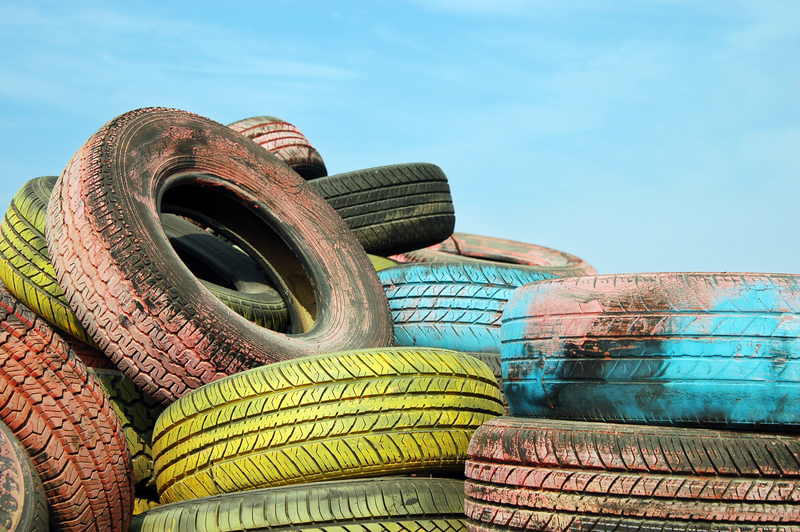
- Vehicle tire wear: Tires erode as we drive, releasing microplastics onto roads that eventually get washed into waterways.
- Packaging and litter: Single-use plastics degrade into micro-sized fragments over time.
The Global Impact of Microplastics
Environmental Consequences
The accumulation of microplastics in natural ecosystems poses severe risks to wildlife and the environment. Tiny plastic particles are ingested by aquatic and terrestrial organisms, causing physical harm, blocking digestive tracts, and sometimes leading to death. Microplastics can also act as carriers for toxic chemicals and pathogens, compounding their detrimental effects.
Microplastics and Human Health
Microplastics have infiltrated human food chains through seafood, table salt, drinking water, and even the air we breathe. Recent studies reveal traces of microplastics in human blood and organs, raising concerns about long-term health effects. The full extent of health implications is still under investigation, but initial findings are alarming, with potential links to inflammation, hormonal disruption, and toxicity.
Challenges in Combating Microplastic Pollution
Eradicating microplastic pollution is far from simple. Their small size makes them difficult to detect, remove, or track. Additionally, the global reliance on plastic products contributes to relentless microplastic generation, overwhelming waste management systems and leading to widespread environmental dispersal.
- Difficulties in filtration: Municipal water treatment facilities often cannot filter out microplastics.
- Pervasive use of plastics: The ubiquity of plastics in daily life and industry complicates replacement efforts.
- Fragmentation process: Even so-called eco-friendly plastics can break down into microplastics if not properly managed.
Strategies for a Microplastic-Free Future
1. Reducing Plastic Production and Consumption
The most effective way to combat microplastics is to reduce our reliance on plastics altogether. Individuals, communities, and governments must prioritize policies that promote sustainable alternatives.
- Adopt reusable products: Shift from single-use plastics to durable, reusable alternatives wherever possible.
- Promote plastic bans and regulations: Support policy initiatives that restrict the use of microbeads and single-use plastics.
- Encourage corporate responsibility: Persuade companies to redesign products and packaging with sustainability in mind.
2. Advancing Waste Management and Recycling Technologies
Improved collection, sorting, and processing of plastic waste can significantly reduce the amount of material that breaks down into microplastics.
- Innovative recycling techniques: Invest in advanced mechanical and chemical recycling that turns used plastics into new products with minimal environmental impact.
- Waste-to-energy solutions: Harness waste as an energy resource while ensuring emissions controls to avoid secondary pollution.
3. Developing Eco-Friendly Materials
Material science is at the forefront of the battle against microplastic pollution. The development of environmentally benign substitutes can replace harmful plastics without compromising functionality.
- Biodegradable polymers: Use plant-based materials, like polylactic acid (PLA), that break down safely in the environment.
- Natural fibers: Replace synthetic textiles with renewable fibers such as cotton, hemp, and bamboo.
- Innovative packaging: Encourage the adoption of edible or compostable packaging materials.
4. Enhancing Wastewater Treatment Advances
Since many microplastics enter waterways via sewage systems, upgrading filtration capabilities at treatment plants can curb their spread.
- Advanced filtration systems: Implement fine-screening filters and membrane bioreactors that capture smaller particles.
- Decentralized solutions: Support the inclusion of microplastic traps in household appliances, such as washing machine filters.
5. Increasing Public Awareness and Education
*Empowering individuals and communities with knowledge is critical for the movement toward a microplastic-free world.*
- Engage in environmental education: Include the topic of microplastic pollution in school curricula and public campaigns.
- Support citizen science: Encourage public participation in microplastics monitoring and research.
- Promote behavioral change: Advocate for plastic-free lifestyles through workshops, challenges, and social media outreach.
6. Supporting Research and Innovation
Investing in scientific research is fundamental to understanding the complexities of microplastic pollution and developing novel solutions.
- Fund studies on health impacts: Further investigate how microplastics affect human health and ecosystem dynamics.
- Innovate removal methods: Explore new technologies to extract microplastics from oceans, rivers, and soils.
- Material innovation: Create plastics with short lifespans that degrade harmlessly and quickly in the environment.
The Role of Policy in Building a Microplastic-Free Future
Effective policies serve as the backbone for collective action on microplastic pollution. Governments worldwide are beginning to recognize the significance of enactment and enforcement of regulations addressing the lifecycle of plastics.
- Banning microbeads: Several countries have prohibited the manufacture and sale of personal care products containing microbeads.
- Extended Producer Responsibility (EPR): Manufacturers are increasingly being held accountable for the disposal and recycling of their plastic products.
- Plastic bag and packaging restrictions: Many regions have imposed levies or bans on single-use plastics to reduce source pollution.
- International cooperation: Global treaties and collaborations, such as those under the United Nations, are essential for transboundary pollution management.
Case Studies: Innovations and Success Stories
Microplastic Traps in Washing Machines (France)
France has set a precedent by mandating that all new washing machines include microplastic filters by 2025. This single policy is expected to remove billions of microfibers from wastewater, setting an example for other nations.
The Great Bubble Barrier (The Netherlands)
Invented in the Netherlands, the Great Bubble Barrier uses a curtain of bubbles created by air pumped through a perforated tube on riverbeds. This innovation diverts plastics--including microplastics--toward the riverbank, making it easier to collect and remove them before they enter the ocean.
Circular Economy Initiatives (Global)
Companies and cities worldwide are embracing the circular economy--designing products to be reused, repaired, or recycled from inception, drastically reducing plastic waste and subsequent microplastic pollution.
What Can You Do to Create a Microplastic-Free Future?
Your actions matter. Building a future free from microplastic contamination depends on the collective efforts of individuals, communities, businesses, and governments.
- Choose products wisely: Opt for natural fibers, avoid single-use plastics, and support brands that prioritize sustainability.
- Protect waterways: Avoid littering, participate in local cleanups, and minimize the use of toxic chemicals that can adhere to microplastics.
- Advocate and educate: Discuss the issue with friends, family, and policymakers. Participate in campaigns aiming to reduce plastic use and promote alternative materials.
The Road Ahead: Embracing a Microplastic-Free Society
Though the challenge is daunting, the movement for a world free from microplastic pollution is gaining momentum. By embracing innovation, supporting policy change, and making mindful choices in daily life, we can collectively reverse the tide of plastic contamination.
It starts with awareness--understanding not only the visible problem but also the hidden dangers of microplastics in every facet of life. The ultimate goal is a future in which plastic waste is drastically minimized, ecosystems are restored, and the health of both humans and wildlife are safeguarded.
Final Thoughts
Building a future free from microplastic pollution is not an unattainable dream. Through cooperation, innovation, and determination, we can transition toward a cleaner environment and a healthier planet. Every small change, from carrying reusable bags to advocating for stronger policies, is a step in the right direction. The time for action is now--join the movement and be a part of the solution.