Unlock the Secrets to Decreasing Plastic Use
Unlock the Secrets to Decreasing Plastic Use: A Comprehensive Guide
Plastic has become an integral part of our everyday life. From food packaging to household goods, this convenient material is widely used. However, the adverse effects of plastic on our environment--polluted oceans, endangered wildlife, and growing landfills--are impossible to ignore. If you're ready to decrease plastic use and make a positive environmental impact, you've come to the right place.

Why Is Reducing Plastic Consumption Important?
Plastic pollution has reached alarming levels across the globe. The production and improper disposal of plastic generate significant environmental issues including:
- Marine life threats: Millions of marine animals die each year due to plastic debris in oceans.
- Non-biodegradable waste: Most plastics take hundreds of years to decompose, clogging landfills and polluting natural landscapes.
- Microplastics: These tiny particles contaminate water sources and enter the food chain, potentially causing health risks for humans and animals.
Understanding these dangers is the first secret to unlocking ways to minimize and decrease reliance on plastics in our daily routines.
Top Strategies to Reduce Plastic Use at Home
1. Ditch Single-Use Plastics
The most straightforward way to reduce plastic use is by cutting down on single-use items like straws, plastic bags, and disposable cutlery. Try these alternatives:
- Reusable metal or bamboo straws
- Cloth shopping bags
- Stainless steel or bamboo cutlery for outings
2. Choose Alternatives to Plastic Packaging
A significant portion of household waste comes from food and consumer product packaging. Opting for items packaged in cardboard, glass, or metal can dramatically decrease plastic waste.
- Buy in bulk: Reduces the amount of packaging per product unit.
- Select fresh produce: Choose unwrapped fruits and vegetables instead of those in plastic containers.
- Bring your own containers: Many stores now allow you to use your own reusable containers for deli and bulk items.
3. Swap Out Plastic Household Items
Many everyday household products have sustainable alternatives. Here are some ways to cut down on plastic use at home:
- Switch to bar soaps: Replace liquid soap in plastic bottles.
- Opt for natural cleaning tools: Use wooden brushes and sponges instead of synthetic scrubbers.
- Choose reusable food storage: Glass jars and stainless steel containers work for everything from leftovers to lunches.
4. Support Plastic-Free Brands
Consumer demand can shift the market. Seek out brands that use sustainable packaging and clearly label their products as plastic-free. Supporting these businesses encourages industry-wide changes toward minimizing plastic usage.
How to Cut Down on Plastic Use in Your Community
1. Participate in Community Clean-Ups
Getting involved in local clean-up events not only helps remove plastic waste from public spaces but also increases community awareness about the impact of pollution.
2. Advocate for Policy Changes
Many municipalities and states are implementing bans or taxes on single-use plastics. Join advocacy groups, sign petitions, and engage with policymakers to promote regulations that curb plastic waste.
3. Educate Others
Share tips on how to decrease plastic reliance through social media, at schools, or within your local organizations. The more people are informed, the greater the collective action.
Plastic Use in the Food and Beverage Industry
The food and beverage sector is a primary contributor to single-use plastic. Consider these approaches to decrease plastic use during your dining experiences:
- Bring your own water bottle and coffee cup to cafes and restaurants
- Refuse plastic straws and request your drinks without them
- Support takeout spots using compostable or reusable packaging
- Cook at home more often to avoid excess packaging waste
Did you know?
Only about 9% of plastic waste gets recycled globally. Most ends up in landfills, burnt, or in natural environments.
Plastic-Free Travel Tips
Adopting a travel routine that minimizes plastic can be challenging but is entirely possible with some foresight:
- Pack a reusable water bottle and filter to avoid buying bottled water
- Take a reusable shopping bag and utensil kit on your trips
- Say no to complimentary hotel toiletries--bring your own in refillable containers
Start a Zero-Waste Travel Challenge
Set personal goals to avoid plastic waste on your next journey. Share your successes and tips with your network--inspiration is contagious!
Shopping and Decreasing Plastic Use
Smart Grocery Shopping
- Visit local markets: Fewer products are packaged in plastic.
- Avoid pre-bagged produce: Use reusable produce bags.
- Skip plastic-wrapped items: Opt for products sold in glass, tin, or paper where possible.
- Use your own containers: For bakery goods, cheese, and meat, ask if you can bring your own.
Online Shopping Hacks
- Choose eco-conscious brands: Look for retailers that offer minimal or plastic-free shipping options.
- Request sustainable packaging: Many online sellers can fulfill this request if you ask.
How Technology Can Help Decrease Plastic Waste
Innovation is key in the fight against plastic pollution. Here's how technology is helping reduce plastic dependence:
- Biodegradable alternatives: Advances in plant-based plastics and compostable materials offer promising solutions
- Plastic-tracking apps: Several apps now track your plastic footprint and offer personalized reduction tips
- Improved recycling methods: Better recycling technologies are making it easier to process more plastic types efficiently
Secrets to Creating Sustainable Habits
Building Lasting Change
- Start small: Swap a few key items instead of overhauling your life overnight
- Stay consistent: Make new habits stick by integrating them into daily routines
- Celebrate milestones: Mark progress as you inch closer to a plastic-free lifestyle
Get Friends and Family Involved
Invite others to join your plastic-reduction journey. Family challenges, neighborhood swaps, and friendly competitions foster a supportive, sustainable community.
Composting and Plastic Reduction
Composting is a natural way to handle kitchen and yard waste. By composting, you avoid plastic trash bags and reduce landfill contributions. Plus, many compostable packaging solutions now exist for food storage and household use--look for them at your local grocery or specialty stores.
Overcoming Common Challenges in Reducing Plastic Use
Lack of Alternatives
Many people struggle to find plastic-free options in their area. Seek out zero-waste stores, online resources, or local co-ops that specialize in sustainable products.
Convenience Factor
Plastic products are often the easiest choice. Planning ahead--such as keeping reusable bags and bottles handy--can make sustainable alternatives more convenient.
Budget Concerns
Reusable products may cost more initially but often save money over time by lasting longer than their disposable counterparts.
FAQs About Decreasing Plastic Use
What are the easiest first steps to take?
- Upgrade to a reusable water bottle
- Use cloth shopping bags for all your groceries
- Replace plastic straws with metal or silicone ones
Can I recycle all plastics?
Not all plastics are recyclable. Always check local recycling guidelines and look for the resin identification code on packaging.
How does reducing plastic use help the environment?
Cutting down on plastic means less waste entering natural ecosystems, reduced demand for fossil fuels, and lower greenhouse gas emissions.
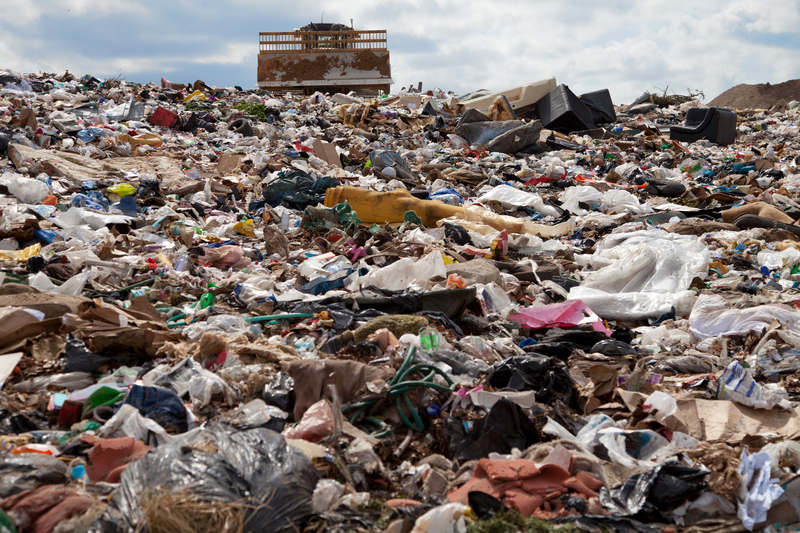
The Environmental Benefit of Decreasing Plastic Use
As you unlock the secrets of decreasing plastic use, you contribute to healthier oceans, cleaner communities, and a brighter future. Each small change adds up, inspiring others and ultimately leading to significant global progress.
Ready to take the challenge? Start implementing these strategies today and become a champion in the fight against plastic pollution. Together, we can make a difference--one sustainable choice at a time.
Conclusion: Embrace the Change
The journey to decrease plastic use is ongoing and requires commitment, creativity, and community. By adopting mindful choices, supporting eco-friendly brands, and spreading awareness, each one of us can be an agent of change. Unlock your potential and inspire others to join the movement toward a more sustainable, plastic-free world.
- Start with small swaps--Reduce reliance on single-use plastics.
- Shop smarter--Avoid plastic packaging where possible.
- Engage with your community--Education and advocacy multiply your impact.
- Embrace new technologies--Keep up with advances in sustainable materials.
Unlock the secrets to decreasing plastic use today, and be the change you wish to see in the world!